Evening Wind-Down Home Screen
Design the screen around the real day
The fastest setup is not the one with the most widgets; it is the one with the clearest priority. An evening page should lower stimulation and help close open loops rather than introduce new tasks. A useful evening iPhone home screen setup starts with a close look at the intended audience: people building a repeatable transition from work to rest. It then targets the moments when time, context, or attention is lost.
The target is a low-glare screen that supports tomorrow's preparation and then gets out of the way, using a few defined zones with one shared purpose.
Give every zone one responsibility
Treat every extra element as a cost to attention. Build the first zone around a large clock, tomorrow note, weather glance, and quiet photo, the second around one short reference, and the third around time-sensitive context.
Repeat midnight blue, warm gray, dim amber, and soft white type across zones so the page stays stable as information changes.
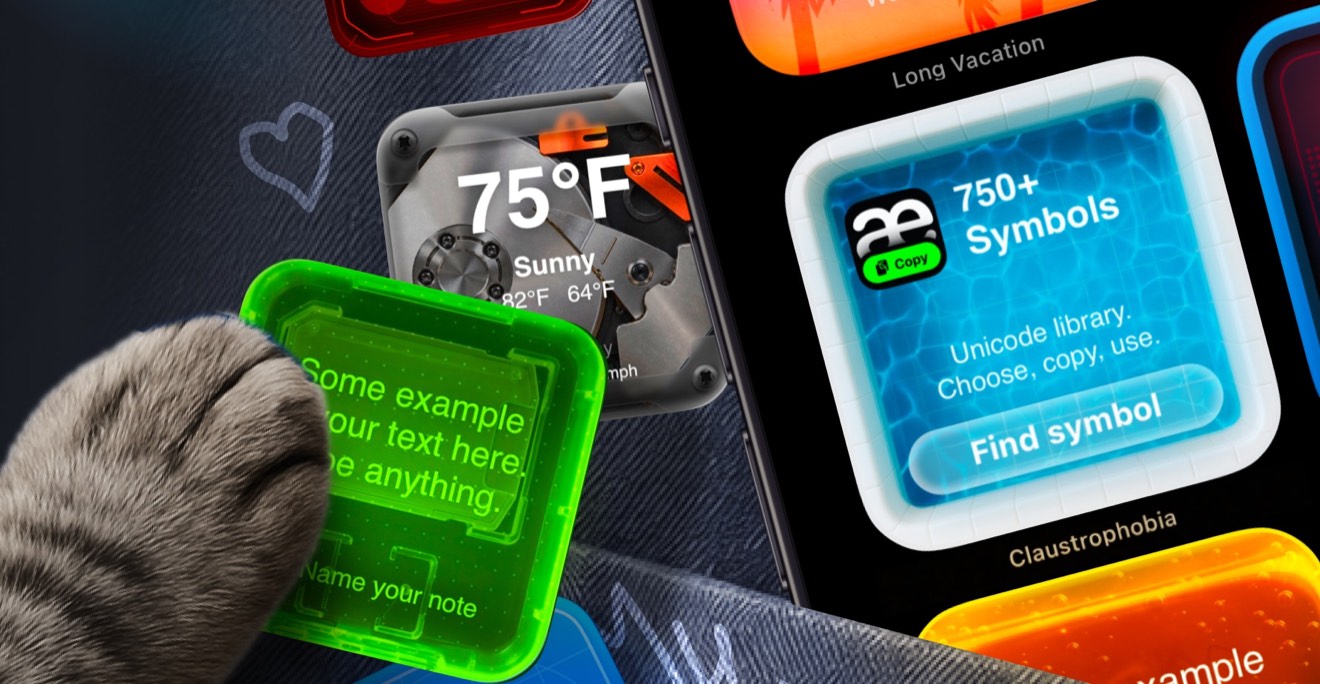
The feature overview connects a large clock, tomorrow note, weather glance, and quiet photo with a low-glare screen that supports tomorrow's preparation and then gets out of the way.
Set up the routine, not just the screen
- Name the friction. Start here: An evening page should lower stimulation and help close open loops rather than introduce new tasks. Identify the decision that should become easier.
- Assign the right tool. Use a large clock, tomorrow note, weather glance, and quiet photo for the useful glance, while the authoritative source app owns specialized live information.
- Arrange by time. Put the first action highest: Check tomorrow's first event. Follow it with the supporting action: Pin one preparation note.
- Review after one week. Check the intended result—a low-glare screen that supports tomorrow's preparation and then gets out of the way—then remove ignored cards and shorten notes.
Two stress tests: Review morning weather. Hide work widgets after the day ends. Helpful widgets for iphone home screen prevent a search or forgotten step.
Moments this setup can support
- Fast check: Check tomorrow's first event.
- Planning moment: Pin one preparation note.
- Shared context: Review morning weather.
- Personal cue: Hide work widgets after the day ends.
Accuracy before aesthetics: Keep the setup honest and useful: show only information you can maintain, remove stale details, and favor a clear next action over decorative clutter.
Keep the layout calm under pressure
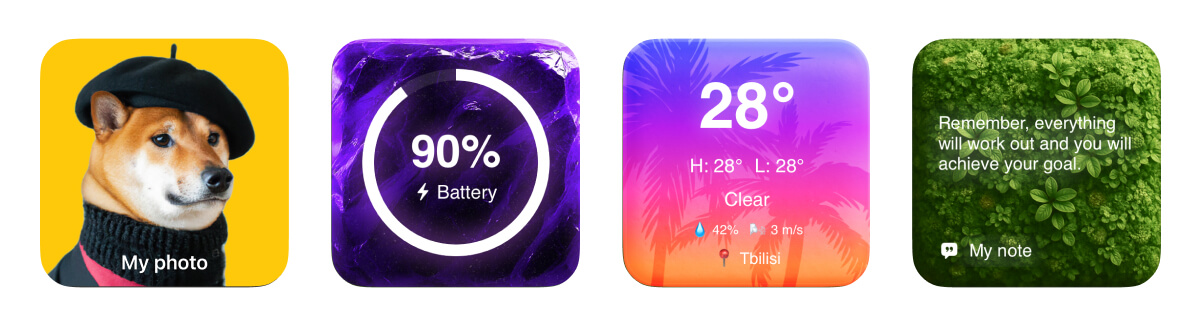
The arrangement turns this scenario into a scannable Home Screen without creating a control panel.
High-priority zone: Check tomorrow's first event. Quiet zone: Pin one preparation note. This lets people building a repeatable transition from work to rest scan the iphone home screen quickly.
A Focus mode can reveal a large clock, tomorrow note, weather glance, and quiet photo when needed. Keep midnight blue, warm gray, dim amber, and soft white type consistent, then use two maintenance checks as routines change: Review morning weather. Hide work widgets after the day ends.
Frequently Asked Questions
How many widgets should be on the first page?
Use only the widgets that support the next few decisions in this routine. Three clear zones are usually easier to scan than a wall of equally prominent cards.
Can the layout change during the day?
Yes. Focus modes and Smart Stacks can reveal different tools for work, travel, exercise, or rest while keeping the visual system consistent.
What should stay in Be My Widget?
Use Be My Widget for the visual layer, countdowns, notes, photos, clocks, and supported information widgets. Keep authoritative live data in the service that owns it.
Build a Home Screen That Helps
Be My Widget brings 28+ widgets, 200+ themes, and Theme Editor tools into one flexible visual toolkit. Start with the useful job described in this guide, then make the result feel personal.
Keep the layout focused, verify changing information at its source, and let every glance move the day forward.